VOBOSE 0.2MG
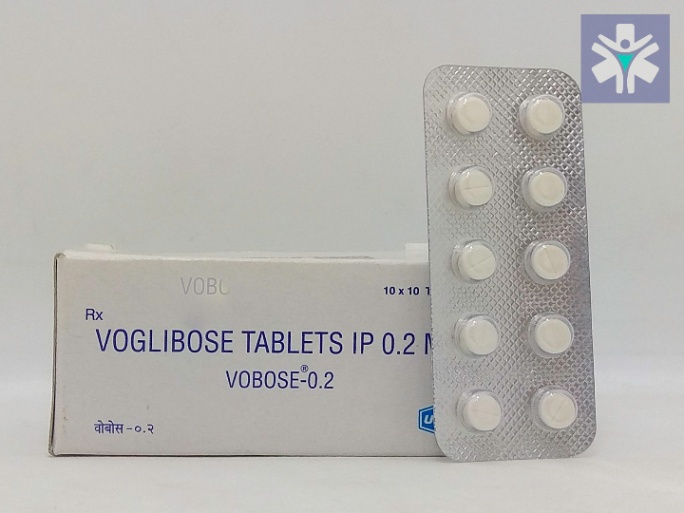
Price: Rs.186.36
13% off
In stock
Loose stock: 0
Description
VOBOSE 0.2MG TAB 10
Details
Composition
VOGLIBOSE 0.2 MG
# VOGLIBOSE 0.2 MG
## Short Description
**Voglibose 0.2 mg** is an oral antidiabetic medicine belonging to the **alpha-glucosidase inhibitor** class. It is primarily used to help control **post-meal (postprandial) blood glucose levels in people with type 2 diabetes mellitus**.
Voglibose works mainly in the intestine by slowing the digestion and absorption of carbohydrates, thereby reducing the rapid rise in blood glucose after meals. It is generally used alongside **diet and exercise** and may be prescribed alone or with other diabetes medicines.
## Key Benefits
* Helps control **post-meal blood sugar spikes**.
* Slows the digestion and absorption of carbohydrates.
* Helps improve overall blood glucose control in type 2 diabetes.
* Can be used alone or in combination with other antidiabetic medicines.
* Generally has a low risk of causing hypoglycemia when used alone.
* Can complement medicines that work through different glucose-lowering mechanisms.
## Uses / Indications
Voglibose 0.2 mg may be prescribed for:
* **Type 2 diabetes mellitus**.
* Management of elevated **postprandial blood glucose**.
* Patients whose post-meal glucose remains high despite appropriate diet and exercise.
* Combination treatment with other antidiabetic medicines when additional glucose control is required.
Voglibose is **not used to treat type 1 diabetes or diabetic ketoacidosis**.
## How It Works
Voglibose is an **alpha-glucosidase inhibitor**.
After a meal, complex carbohydrates are broken down into simpler sugars that can be absorbed into the bloodstream. Voglibose inhibits intestinal enzymes responsible for the final stages of carbohydrate digestion.
This slows the breakdown of carbohydrates and delays glucose absorption, resulting in a **smaller and slower increase in blood sugar after meals**.
Because voglibose primarily works in the digestive tract rather than directly stimulating insulin release, it generally has a low risk of hypoglycemia when taken alone.
## Dosage & Administration
* The usual adult starting dose is often **0.2 mg three times daily**.
* It is generally taken **immediately before meals**.
* Your doctor may adjust the dose according to blood glucose control and tolerability.
* Some patients may require a different dose based on the specific product and treatment plan.
* Take the medicine exactly as prescribed.
* Swallow the tablet with water.
* Continue the recommended diabetic diet and exercise program.
* Do not change the dose without medical advice.
### If You Miss a Dose
Because voglibose is intended to work with meals, if you forget to take it before a meal, **do not routinely take a double dose afterward**. Follow your healthcare professional's instructions.
## Side Effects
The most common side effects are related to the gastrointestinal tract because voglibose affects carbohydrate digestion.
Possible side effects include:
* Flatulence.
* Abdominal bloating.
* Abdominal discomfort.
* Diarrhea.
* Constipation.
* Nausea.
* Increased intestinal gas.
These effects may become less noticeable as the body adjusts to treatment.
### Serious Side Effects
Seek medical attention if you experience:
* Severe or persistent abdominal pain.
* Significant abdominal distension.
* Persistent vomiting.
* Severe constipation accompanied by abdominal pain or swelling.
* Symptoms suggesting intestinal obstruction.
If voglibose is used together with insulin or a sulfonylurea, **hypoglycemia** may occur due to the other medicine.
## Precautions & Warnings
* Voglibose should be used as part of a comprehensive diabetes management plan including diet and exercise.
* Tell your doctor if you have **intestinal disease, digestive disorders, or a history of intestinal obstruction**.
* Use caution in people with conditions that may worsen with increased intestinal gas or abdominal distension.
* Voglibose is generally not appropriate for diabetic ketoacidosis or severe metabolic complications of diabetes.
* Monitor blood glucose as recommended.
* If voglibose is combined with insulin or sulfonylureas, the risk of hypoglycemia increases.
* Long-term diabetes treatment may require periodic monitoring of kidney function and other health parameters.
* Tell your doctor if you are pregnant, planning pregnancy, or breastfeeding.
* Do not rely on voglibose alone if blood glucose remains significantly uncontrolled.
### Important Hypoglycemia Advice
If hypoglycemia occurs while taking voglibose **with insulin or a sulfonylurea**, glucose/dextrose is generally preferred for rapid correction because voglibose can delay the breakdown of sucrose and other complex carbohydrates.
## Drug Interactions
Voglibose has relatively limited systemic absorption, but clinically relevant interactions can still occur.
### Diabetes medicines
* **Insulin:** combination can increase the risk of hypoglycemia.
* **Sulfonylureas**, such as glimepiride or gliclazide: increased risk of hypoglycemia.
* Other glucose-lowering medicines may also increase the risk of low blood sugar.
### Digestive medicines
Medicines or supplements that affect intestinal digestion or absorption may alter the effects of voglibose.
### Digestive enzyme preparations
Some digestive enzyme products may reduce the intended carbohydrate-digestion effects of voglibose.
Tell your doctor or pharmacist about **all prescription medicines, OTC medicines, vitamins, supplements, and herbal products** you use.
## Storage Information
* Store at room temperature according to the manufacturer's instructions.
* Keep tablets in their original packaging.
* Protect from excessive heat, moisture, and direct sunlight.
* Keep the container tightly closed.
* Keep out of reach of children.
* Do not use after the expiry date.
* Dispose of expired or unused medicine according to local pharmacy guidance.
## Prescription Status
**Voglibose 0.2 mg is generally a prescription medicine.**
Because diabetes treatment requires individualized dosing and monitoring, voglibose should be used under the guidance of a qualified healthcare professional.
Prescription and dispensing requirements may vary by country.
## Genuine Medicine Assurance
When purchasing Voglibose 0.2 mg, obtain it from a **licensed pharmacy or authorized medicine supplier**.
Before use, verify:
* Correct medicine name and **0.2 mg strength**.
* Manufacturer information.
* Batch or lot number.
* Manufacturing and expiry dates.
* Intact packaging and seals.
* Clear labeling and dosage instructions.
Do not use the medicine if the packaging appears damaged, tampered with, incorrectly labeled, or suspicious.
## Frequently Asked Questions (FAQ)
### 1. What is Voglibose 0.2 mg used for?
Voglibose 0.2 mg is used to help control **post-meal blood sugar levels in people with type 2 diabetes**.
### 2. Is voglibose an insulin medicine?
No. Voglibose is an **alpha-glucosidase inhibitor**. It does not contain insulin and does not directly stimulate the pancreas to release insulin.
### 3. How does voglibose lower blood sugar?
It inhibits intestinal enzymes that digest carbohydrates, slowing the conversion of carbohydrates into absorbable sugars and reducing the **rapid rise in blood glucose after meals**.
### 4. When should Voglibose 0.2 mg be taken?
It is generally taken **immediately before meals**, as prescribed by your healthcare professional.
### 5. Can voglibose be taken after a meal?
Voglibose is designed to work during carbohydrate digestion and is generally prescribed **before meals**. Follow the instructions for your specific product.
### 6. Does voglibose cause low blood sugar?
When used alone, voglibose generally has a **low risk of hypoglycemia**. The risk increases when it is combined with insulin, sulfonylureas, or other medicines that can lower blood glucose.
### 7. Why does voglibose cause gas?
Because voglibose slows carbohydrate digestion, more undigested carbohydrates can reach the lower intestine, where bacteria ferment them and produce **gas**. Flatulence and bloating are therefore common side effects.
### 8. Can voglibose cause diarrhea?
Yes. **Diarrhea, abdominal discomfort, bloating, and flatulence** can occur, particularly when treatment is started.
### 9. Can Voglibose 0.2 mg be used for type 1 diabetes?
No. Voglibose is primarily used for **type 2 diabetes** and is not a substitute for insulin in type 1 diabetes.
### 10. Can voglibose cure diabetes?
No. Voglibose does not cure diabetes. It helps manage **postprandial blood glucose** as part of an overall diabetes treatment plan.
### 11. Can voglibose be taken with metformin?
Yes. Voglibose may be combined with **metformin** when additional blood glucose control is required. The combination should be used according to medical advice.
### 12. Can voglibose be taken with glimepiride?
Yes, these medicines may be prescribed together. However, glimepiride can cause hypoglycemia, so blood glucose should be monitored appropriately.
### 13. What should I do if I experience low blood sugar while taking voglibose?
If voglibose is being used with insulin or a sulfonylurea and hypoglycemia occurs, **glucose/dextrose is generally preferred** for rapid correction. Seek medical help for severe hypoglycemia or loss of consciousness.
### 14. Can I take Voglibose 0.2 mg with food?
Yes. It is specifically intended to be taken **immediately before meals** so that it can act on carbohydrate digestion during the meal.
### 15. Can voglibose help with high fasting blood sugar?
Voglibose primarily targets **post-meal blood glucose**. It may not be sufficient by itself when fasting blood glucose is significantly elevated, and your healthcare professional may recommend additional treatment.
### 16. Can voglibose be taken during pregnancy?
Diabetes during pregnancy requires individualized treatment. Do not start or continue voglibose during pregnancy without discussing it with your healthcare professional.
### 17. Can voglibose be used while breastfeeding?
Discuss breastfeeding with your doctor before using voglibose. Your healthcare professional can determine whether it is appropriate based on your individual circumstances.
### 18. What happens if I miss a dose of voglibose?
Because it is taken with meals, a missed dose generally should **not be doubled**. Follow your healthcare professional's specific instructions.
### 19. What happens if I take too much Voglibose 0.2 mg?
An excessive amount may worsen gastrointestinal side effects such as **gas, bloating, abdominal discomfort, and diarrhea**. Contact a healthcare professional if you have taken significantly more than prescribed.
### 20. Is Voglibose 0.2 mg available without a prescription?
Voglibose is generally a **prescription medicine**, although dispensing regulations can vary by country.
### 21. Does voglibose help with weight loss?
Voglibose is not primarily a weight-loss medicine. Its main purpose is to **reduce post-meal blood glucose**. Weight effects vary between individuals.
### 22. How long does voglibose take to work?
Voglibose begins acting on carbohydrate digestion around meals, so its effect is primarily seen on **post-meal glucose levels**. Overall diabetes control depends on consistent treatment, diet, exercise, and other prescribed medicines.
## Medical Disclaimer
This information about **Voglibose 0.2 mg** is provided for general educational and informational purposes only. It is not a substitute for professional medical advice, diagnosis, or treatment.
Voglibose should be used as part of an individualized diabetes management plan. It is primarily intended to control **postprandial blood glucose** and may need to be combined with other diabetes treatments.
Always take voglibose exactly as prescribed and do not change or discontinue diabetes treatment without consulting your healthcare professional. Seek medical attention for severe abdominal pain, persistent vomiting, symptoms of intestinal obstruction, severe hypoglycemia, or other serious reactions.